
Anantara Grand Hotel Krasnapolsky Amsterdam
Dieser Urlaub enthält:

Hotel

Flug
(Auf den nächsten Seiten kannst du noch mehr hinzufügen)
- Am Dam-Platz, mit Blick auf den Königspalast
- Restaurant mit Michelin-Stern
Fünf-Sterne-Luxus in der Nähe der Sehenswürdigkeiten
Ein wirklich königliches Fünf-Sterne-Hotel. Das Hotel liegt am berühmten Dam-Platz mit Blick auf den Königspalast und ist nur wenige Gehminuten von den wichtigsten Sehenswürdigkeiten und Einkaufsmöglichkeiten der Stadt sowie dem Hauptbahnhof Amsterdam entfernt.
Das Essen im Hotel grenzt an Perfektion. Im Grand Café Krasnapolsky werden klassische Gerichte auf moderne Weise zubereitet, während das mit einem Michelin-Stern ausgezeichnete White Room französische Küche vom Feinsten bietet. Auch für Kindermenüs und besondere Ernährungsbedürfnisse ist gesorgt.
Lust auf Sightseeing? An der freundlichen Rezeption, die rund um die Uhr besetzt ist, kannst du dich über Wanderungen, Fahrradverleih und lokale Sehenswürdigkeiten informieren. Wenn du nicht gerade unterwegs bist, stehen dir im Hotel auch der Fitnessbereich und ein preisgekrönter Wellnessbereich mit Massagen, Sauna und Beauty-Anwendungen zur Verfügung.
Die eleganten und ergonomisch gestalteten Zimmer sind geräumig und stilvoll eingerichtet. Freue dich auf Parkettböden, luxuriöse Betten und eine hochmoderne Ausstattung. Die verschiedenen Zimmeraufteilungen sind auf Paare, Familien und Gruppen von Freunden zugeschnitten. Wenn du dich für ein Zimmer in einer der höheren Etagen entscheidest, hast du einen herrlichen Blick auf die Stadt.
Stilvoll und in der Nähe der Sehenswürdigkeiten – eine ganz besondere Städtereise erwartet dich.
Was Anantara Grand Hotel Krasnapolsky Amsterdam zu bieten hat
Einrichtungen
Speisen und Getränke
- Bar
- Restaurant
Sport und Wellness
- Fitnessstudio
- Massage
Mehr über Amsterdam Stadt erfahren
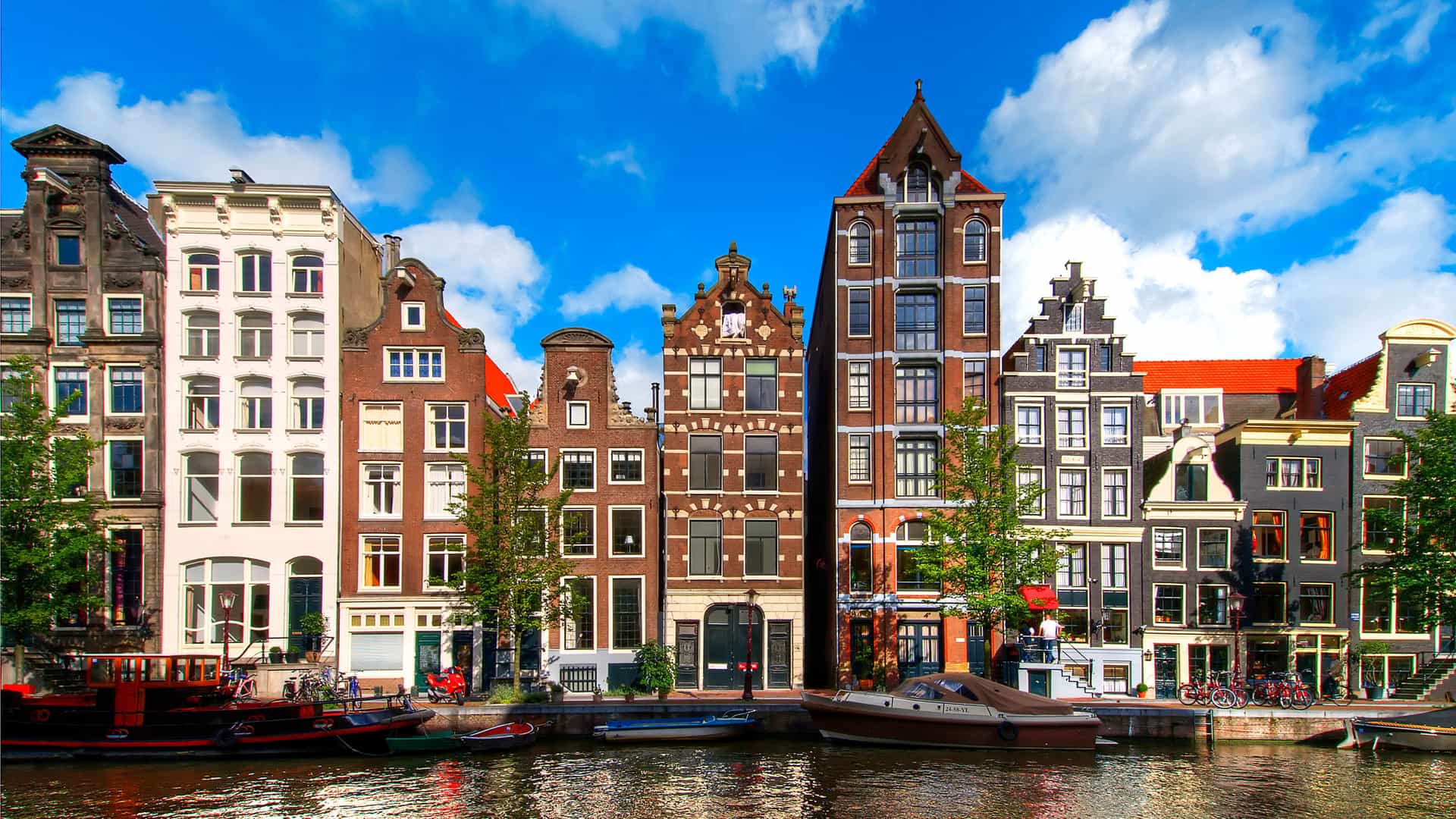
From its charming cobbled streets to its vibrant art scene, the Dutch capital of Amsterdam is the ideal city break candidate. Made up of unusual museums, art galleries, quirky cafés, restaurants and epic clubs, a holiday to Amsterdam City will be a memorable one. Hop on board one of Amsterdam’s infamous canal boats and lose yourself on the meandering waterways. For those keen to stay on dry land, explore the city on two wheels - cycling on your Amsterdam holiday is a must. Café culture is big in the Dam, so you’ll never be too far from the perfect spot to linger over a coffee or do some people-watching. And if you’re looking for a destination steeped in history, you’re in the right place too. Head to the Amsterdam Museum and visit the Canal House to learn all about the local communities.