Your guide to holidays in Portugal
From the golden sands of the Algarve to the vibrant streets of its historic cities, holidays in Portugal offer a fantastic mix of relaxation and discovery. It's a country where dramatic Atlantic coastlines meet a warm, Mediterranean climate, creating a perfect year-round destination. Whether you're looking for a sun-drenched beach break, a cultural city escape, or an island adventure, you'll find it here.
The sun-soaked Algarve
For many, the Algarve is the first place that comes to mind for a classic beach holiday. This southern region is famous for its reliable sunshine and calmer seas. The days are for unwinding on the sand, while the evenings come alive with a friendly, buzzing atmosphere. It's a region of contrasts, with lively resort towns and quiet, secluded coves waiting to be found.
Albufeira
A popular choice for good reason, Albufeira combines a charming old town with beautiful beaches. Praia do Peneco is right in the centre, offering easy access to the water. The town itself is a hub of activity, with plenty of restaurants and bars to choose from after a day in the sun.
Lagos
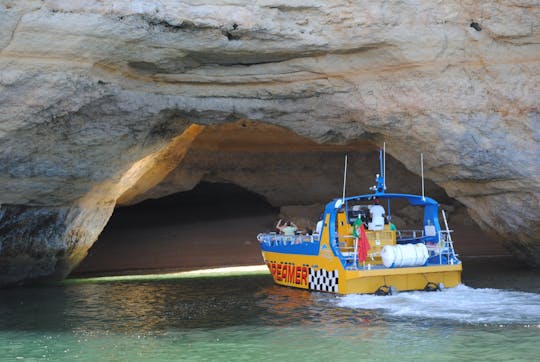
Lagos is known for its impressive rock formations and pretty coves. It has a more laid-back feel, with a historic centre and a marina. The coastline here is particularly striking, making it a great spot for walks and exploring different beaches.
Vilamoura
If you're looking for something a bit more polished, Vilamoura is a great fit. It's built around a large marina filled with smart yachts, and is surrounded by high-quality golf courses and stylish boutiques. It's a sophisticated spot for a relaxing break.
Portimao
Close to Portimao, you'll find one of the Algarve's most famous stretches of sand, Praia da Rocha. This wide, expansive beach is backed by striking ochre cliffs and has a lively promenade. The town is a mix of old and new, with a strong fishing heritage.
Vibrant city breaks in Portugal
Portugal's cities are full of character, history, and colour. They're easy to explore on foot, which is the best way to appreciate the beautiful architecture and decorated tiles that adorn so many buildings. Just be sure to pack comfortable shoes for the cobbled streets.
Lisbon
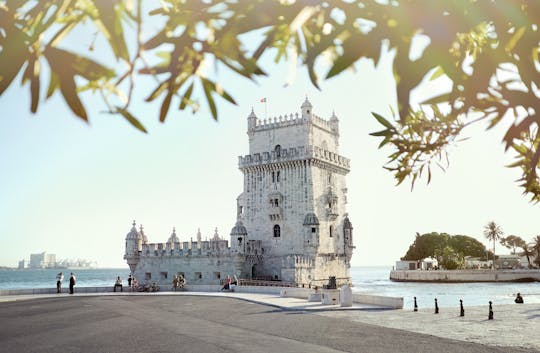
The capital city is a wonderful place to explore, with wide boulevards and distinctive neighbourhoods. For shopping, you can browse international brands on Avenida da Liberdade or find local designers in the Bairro Alto district. In June, the city celebrates its patron saint with the Feast of St Anthony, a huge street party with music, dancing, and grilled sardines. Be sure to make time to head over to Belém, the original home of the famous pastel de nata, as well as the beautiful Jerónimos Monastery.
Porto
In the north, Porto sits on the Douro River and is the heart of the Port wine industry. It's a city with an old-world feel, and its main shopping street is pedestrianised, making it great for families. On 23 June, the entire city comes to life for the Festival of St John, a tradition that has been celebrated for over 600 years with street parties and a midnight firework display.
The island of Madeira
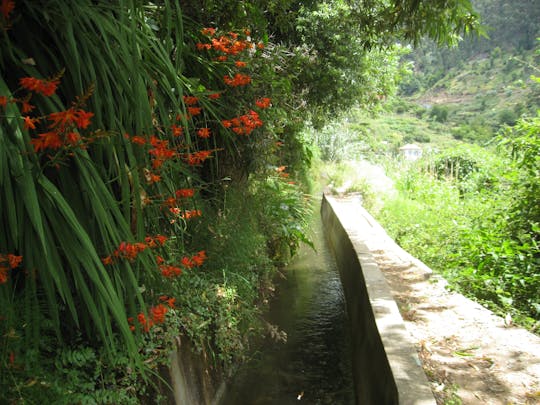
For something completely different, the island of Madeira offers an almost subtropical climate. It's much closer to Africa than to mainland Europe, resulting in lush landscapes and exotic plants. The capital, Funchal, is known as the Garden City. From here, you can take a cable car ride high above the botanical gardens for some truly impressive views of the island's greenery.
A taste of Portugal
Portuguese food is fresh, flavourful, and centres on local produce. With so much coastline, it's no surprise that fish and seafood dishes are a speciality. You'll also want to try some of the world-class local wines and high-quality olive oil.
Pastel de nata
No trip to Portugal is complete without trying a pastel de nata. These creamy custard tarts with a flaky pastry are a national icon. You can find them in almost every bakery and cafe, and they're the perfect sweet treat at any time of day.
Port wine
Portugal's signature fortified wine comes from the Douro Valley near Porto. Many places offer tasting sessions where you can learn about its history and sample different varieties. It's a rich and warming drink that makes for a great souvenir.
Local crafts and souvenirs
As you wander through towns and villages, you'll see plenty of local crafts. Popular souvenirs include:
- colourful ceramic tiles, a key part of Portugal's visual identity
- items made from cork – as Portugal is a huge producer
- the Rooster of Barcelos, a symbol of faith and good luck
With its welcoming atmosphere and diverse attractions, Portugal is a destination that truly has something for everyone.
Need to know

Lisbon

Portuguese

Euro

GMT

2hrs 15mins
* Average time from London Gatwick to Lisbon


Exciting tours and activities in Portugal
From priority access for attractions, to day trips to historic sites, here’s our must see activities in Portugal
all tours and experiences are provided by