Your Guide to Package Holidays in Germany
From energetic city breaks to relaxing trips in the great outdoors, you'll find that holidays in Germany offer something for every type of traveller. It's a country of contrasts, where cutting-edge art and nightlife in cities like Berlin sit alongside timeless traditions in the picturesque towns of Bavaria. You can explore grand castles, hike through deep forests, and join in with world-famous festivals, all on one trip.
Where to go on holiday in Germany
Germany's cities are packed with culture, history, and unique local character. Whether you're looking for a weekend of museum-hopping or a week of exploring different neighbourhoods, there's a city that's right for you.
Berlin
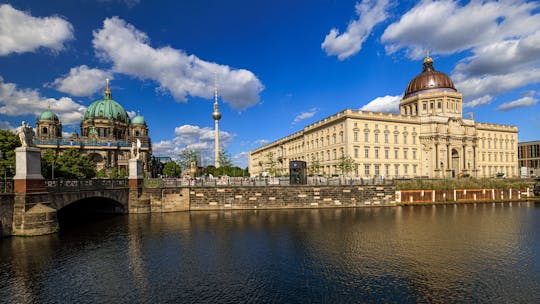
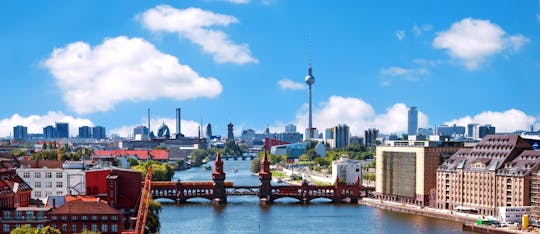
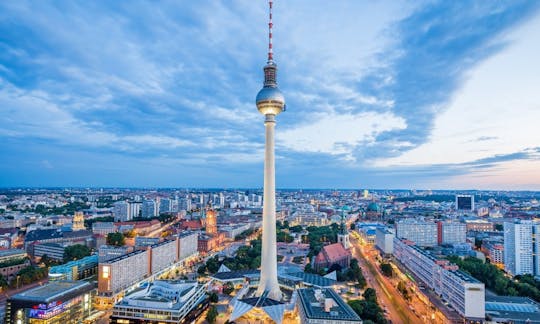
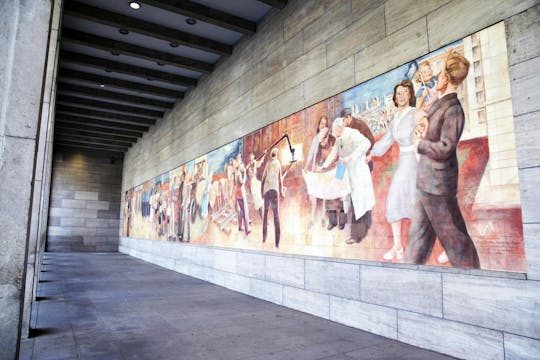
Germany's capital is a hub of creativity and history. You can feel the city's story everywhere, from the iconic Brandenburg Gate to the colourful murals on the East Side Gallery – a preserved section of the Berlin Wall. Spend your days exploring the world-class collections on Museum Island, a UNESCO World Heritage Site, and your evenings discovering the city's legendary nightlife.
Munich
The capital of Bavaria, Munich is famous for its beer halls, beautiful parks, and traditional charm. The heart of the city is Marienplatz, a grand square where you can watch the famous Glockenspiel clock chime. Munich is also the perfect gateway to the Bavarian Alps, making it an ideal base for exploring southern Germany's impressive landscapes.
Hamburg
As Germany's second-largest city, Hamburg has a character all its own. Built around its huge port, the city is defined by water, with canals and waterways crisscrossing its districts. Explore the historic Speicherstadt warehouse district, catch a show in the vibrant St. Pauli neighbourhood, or take a boat tour to see the city from a different perspective.
Cologne
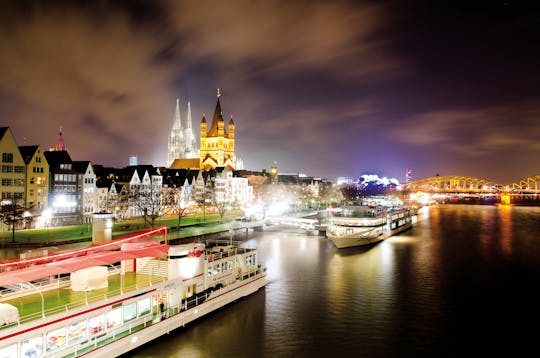
The skyline of Cologne is dominated by its impressive cathedral, a masterpiece of Gothic architecture that took more than 600 years to complete. But there's more to the city than just its most famous landmark. It's a friendly, laid-back place known for its Roman history, local beer, and a huge Carnival celebration every winter.
Düsseldorf and beyond
For a taste of Germany's fashionable side, head to Düsseldorf, renowned for its art scene and shopping along the Königsallee. Nearby cities like Frankfurt offer a striking mix of modern skyscrapers and traditional half-timbered houses, while Stuttgart provides easy access to the scenic Black Forest region.
Germany's beautiful regions
Beyond the cities, Germany's countryside offers sweeping views and outdoor adventures. From fairytale castles to dense forests, these regions are perfect for a change of pace.
Bavaria and the Alps
Home to snow-capped peaks, deep blue lakes, and charming alpine villages, the Bavarian Alps are a haven for hikers and nature lovers. This is the Germany of postcards, where you'll find Neuschwanstein Castle perched on a hilltop and traditional culture is a part of everyday life.
The Black Forest
Famous for its dense forests, cuckoo clocks, and gateau, the Black Forest is a region of myth and beauty. Follow hiking trails to waterfalls and panoramic viewpoints, or visit charming towns like Freiburg. It's an ideal spot to get away from it all and enjoy some fresh air.
The Rhine Valley
The Rhine River carves a dramatic path through western Germany, its banks lined with castles, vineyards, and picturesque towns. A river cruise is a popular way to see the sights, stopping off at places like Koblenz and the legendary Lorelei rock.
Festivals and events in Germany
Germany knows how to celebrate, with a calendar full of events that draw visitors from around the world. Many are linked to public holidays, when most shops will close for nationwide celebrations like German Unity Day on 3 October.
Oktoberfest
Despite its name, this huge beer festival kicks off in Munich in September. It's a 16-day celebration of Bavarian culture with fairground rides, traditional food, and huge tents where you can sample local brews.
Christmas markets
From late November, squares across Germany transform into winter wonderlands. Wooden stalls sell handmade crafts and festive treats, while the air fills with the scent of mulled wine and roasted chestnuts. The markets in Nuremberg, Cologne, and Berlin are among the most famous.
German food and drink
German food is hearty, flavourful, and perfect for refuelling after a day of sightseeing. Each region has its own specialities, but you'll find some classics all over the country. Look for street food stalls selling currywurst – a sausage covered in spiced ketchup – or head to a beer garden for a giant pretzel and a cold beer. Main dishes often feature succulent meats like bratwurst sausage or schnitzel, served with potatoes and sauerkraut. For dessert, you can't go wrong with a slice of rich Black Forest Gateau or a warm apple strudel.
With its blend of history, culture, and natural beauty, Germany offers a holiday you won't forget.
Need to know

Berlin

German

Euro

GMT +1

1hr 20mins
* Average time from London Gatwick to Berlin


Exciting tours and activities in Germany
From priority access for attractions, to day trips to historic sites, here’s our must see activities in Germany

all tours and experiences are provided by