Denmark Holidays
A Guide to Holidays in Denmark
Denmark offers a refreshing take on a European break, blending sleek design and a famous sense of wellbeing – known locally as hygge – with rich history and head-turning landscapes. While many holidays in Denmark begin in the capital, Copenhagen, you'll find so much more to discover across its main regions. From the fairytale island of Funen, the birthplace of author Hans Christian Andersen, to the wide-open beaches of the Jutland peninsula, this is a country that balances city chic with simple, natural pleasures.
Where to go in Denmark
Denmark is made up of the Jutland peninsula, which connects to mainland Europe, and over 400 islands. Each area offers a different kind of holiday, from city breaks to coastal retreats.
Copenhagen and Zealand
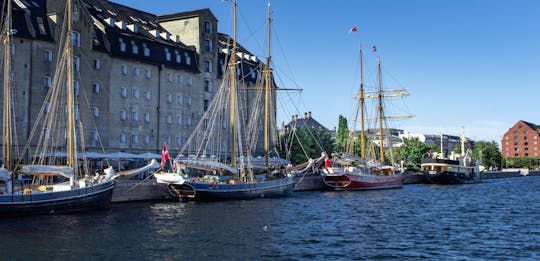
Most trips start on the island of Zealand, home to Copenhagen. You can spend days exploring the capital, from the colourful 17th-century townhouses lining the Nyhavn harbour to the shops along Strøget, one of Europe's longest pedestrian streets. Zealand is also where you'll find Kronborg Castle in Helsingør – the setting for Shakespeare's Hamlet – and the historic city of Roskilde, with its impressive cathedral and Viking Ship Museum. From Copenhagen, you can also take a 40-minute train journey across the Øresund Bridge to visit Malmö in Sweden for a two-country trip.
Funen and Odense
Known as Denmark's garden island, Funen is a land of rolling hills, charming manors, and picturesque villages. Its main city, Odense, is the birthplace of the famous storyteller Hans Christian Andersen. You can visit the museum dedicated to his life and work, wander the cobbled streets of the old town, or simply relax by the river that runs through the city.
Jutland: Aarhus, Legoland and coastal beaches
Jutland is the large peninsula connected to Germany, offering a huge variety of landscapes. In the east, you'll find Aarhus, Denmark's second-largest city, which has a lively cultural scene and impressive art museums. Further south in Billund is the original Legoland, a must-visit for families. The west coast of Jutland is lined with long, sandy beaches and windswept dunes, while the northern tip, Skagen, is a famous artists' colony where two seas meet.
Bornholm
For something a little different, the island of Bornholm in the Baltic Sea is a popular summer spot. It's known for its dramatic rocky coastline, fine white-sand beaches, and distinctive round churches. The island’s distinctive natural light has attracted artists for centuries, and it's a fantastic place for cycling and fresh seafood.
Things to do in Denmark
Whether you're looking for culture, history, or outdoor fun, you'll find plenty to fill your days.
City sights and iconic landmarks
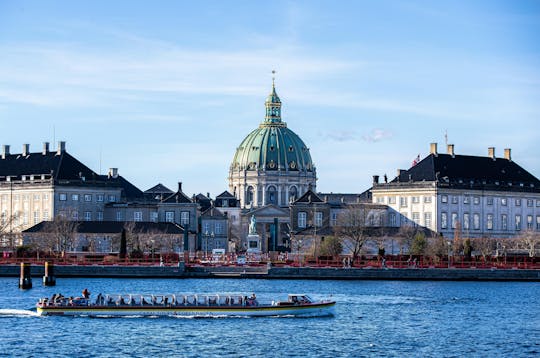
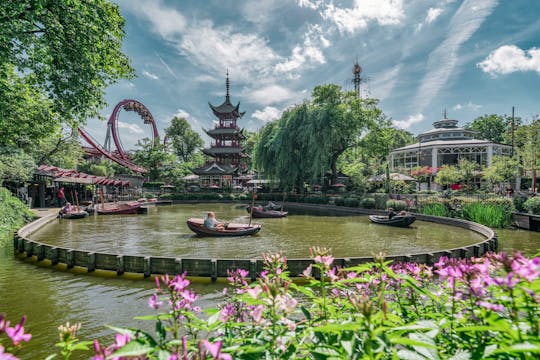
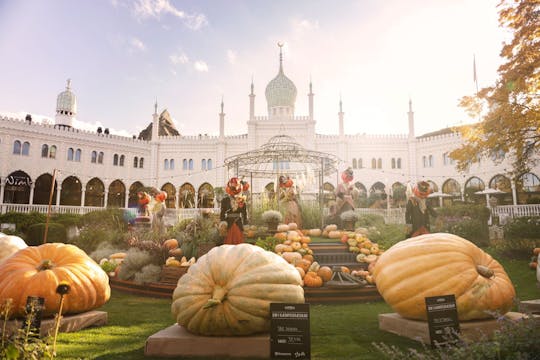
In Copenhagen, a visit to the Tivoli Gardens is essential. It's one of the world's oldest amusement parks and has a magical atmosphere, especially at night when the gardens are illuminated. A short walk from Nyhavn, you can see the famous Little Mermaid statue, a tribute to Hans Christian Andersen's fairytale. Canal tours are also a great way to see the city from a different perspective.
Viking history and royal castles
Denmark's Viking past is on display at the Viking Ship Museum in Roskilde, where you can see five original Viking ships. The country is also dotted with grand castles. Amalienborg Palace in Copenhagen is the winter home of the Danish royal family, while Rosenborg Castle houses the Crown Jewels. In Helsingør, you can explore the formidable Kronborg Castle, a UNESCO World Heritage Site.
Cycling, beaches and the great outdoors
Denmark is a cyclist's dream, with a nationwide network of well-maintained and mostly flat cycle paths. Renting a bike is one of the best ways to explore both the cities and the countryside. For a day on the sand, you don't even need to leave the capital – Amager Strandpark is a large beach park just a short metro ride from the city centre. Further afield, the Danish coastline offers hundreds of miles of clean, sandy beaches perfect for a summer's day.
Danish food, hygge and culture
A key part of Danish culture is hygge, which translates loosely to a feeling of cosiness, contentment, and enjoying the simple things in life. You'll find it in candlelit cafes, warm bakeries, and shared meals with friends. Be sure to try some local specialities:
- Smørrebrød: An open-faced sandwich on dark rye bread with toppings like pickled herring, roast beef, or cheese.
- Stegt flæsk: The national dish featuring crispy fried pork belly served with potatoes and a creamy parsley sauce.
- Danish pastry: No trip is complete without sampling a flaky pastry from a local bakery.
When is the best time to visit Denmark?
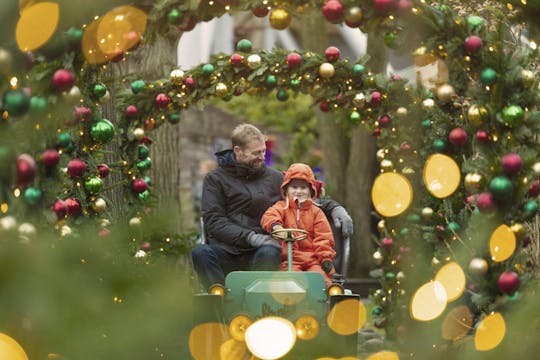
Denmark is a year-round destination. The summer months, from June to August, offer long, light-filled days and mild temperatures, perfect for sightseeing, cycling, and enjoying the beaches. Spring and autumn are also lovely times to visit, with fewer crowds and pleasant weather. Winter brings a different kind of magic. From mid-November, cities like Copenhagen are transformed with festive Christmas markets, twinkling lights, and a deeply cosy atmosphere that makes it a wonderful time for a city break.
From its forward-thinking cities to the serene and unique breadth of the countryside, a holiday in Denmark more than lives up to the promise of hygge.
Need to know

Copenhagen

Danish

Danish Krone

GMT +1

1hr 25 mins
* Average time from London Gatwick to Copenhagen


Exciting tours and activities in Denmark
From priority access for attractions, to day trips to historic sites, here’s our must see activities in Denmark
all tours and experiences are provided by