
The Savoy A Fairmont Hotel
This holiday includes:

Hotel

Flights

Small under seat bag
(You may add more to your package on the following pages)
- Stay minutes from Covent Garden, West End theatres, and the Thames
- Enjoy fine dining, including the world-famous Savoy Grill and American Bar
Celebrity treatment on the Strand
A legendary name in British hospitality, The Savoy stands proudly on the Strand, moments from Covent Garden, the West End, and the River Thames. This grand hotel has hosted royalty, Hollywood stars, and literary giants, and offers front-row access to London’s best theatres, shops, and cultural attractions.
Inside, The Savoy blends Edwardian elegance with Art Deco flair. You can relax in the beautifully restored public spaces, unwind in the indoor swimming pool and wellness centre, or enjoy views across the Thames from the riverside bars and lounges.
Dining here is an experience in itself. The Savoy Grill, run by Gordon Ramsay, serves classic British dishes with a contemporary twist. Afternoon tea in the Thames Foyer is a must, while Simpson’s in the Strand, next door, adds traditional flair. For drinks, the American Bar – one of the world’s oldest surviving cocktail bars – offers a legendary setting, and the Beaufort Bar serves creative mixology in a glamorous black-and-gold setting. With impeccable service, historic grandeur, and unbeatable location, The Savoy remains one of London’s most iconic stays.
Facilities
Food & Drink
- A la carte restaurant
- Bar
- Breakfast room
- Restaurant
Entertainment
- Indoor pool
- Indoor heated pool
Sports & Health
- Fitness
- Massage
- Sauna
- Spa treatments
- Steam bath
- Turkish bath (hamam)
Good to know

Certified sustainable
A hotel features our 'Certified Sustainable' label when it holds an active sustainability certification from an independent, third-party organisation that features on the ABTA/ANVR list of recognised certifications. These schemes have been assessed against internationally recognised sustainability standards, including the Global Sustainable Tourism Council criteria.
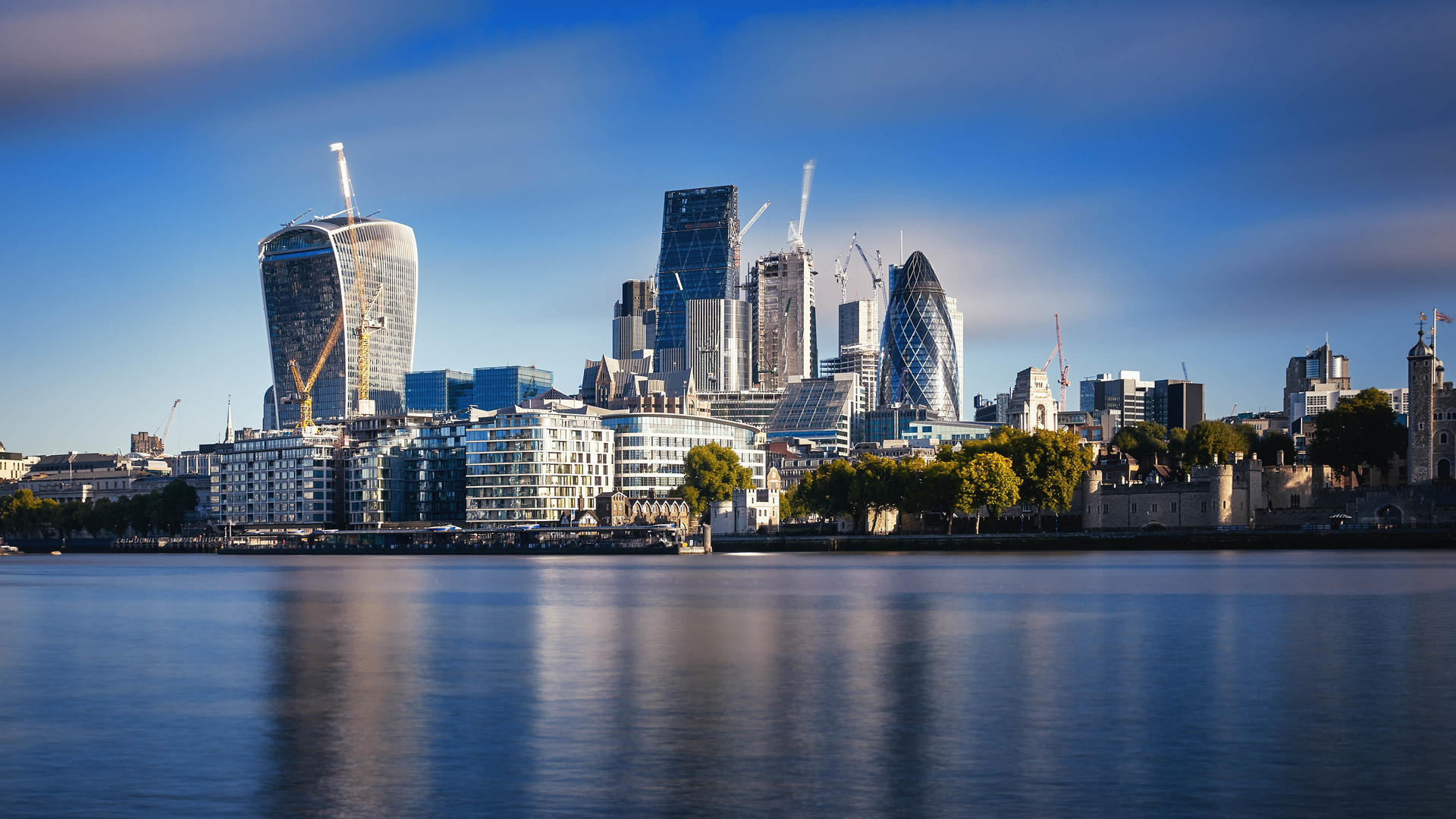
Find out more about London City
To say that London has it all is an understatement. Whatever you’re hoping to find in a city, the chances are the English capital will have it in abundance. Rich history is brought to life through incredible buildings and museums, world-class galleries display modern and classic art, innovative chefs serve acclaimed global cuisine, there’s cutting-edge nightlife and shopping opportunities galore. Even several London city breaks couldn’t cover it all, but don’t let that put you off. Just dive in and explore.