Your guide to Hungary holidays
Holidays in Hungary are a captivating blend of grand history, relaxing spa culture, and vibrant city life. This Central European country is defined by the great River Danube, which flows through the heart of its capital, Budapest. Beyond the city, you'll find the vast freshwater expanse of Lake Balaton – the Hungarian Sea – and rolling hills covered in vineyards. It's a destination that offers impressive architecture, hearty food, and fantastic value, all just a short flight away.
Budapest city breaks
Often called the Pearl of the Danube, Budapest is really two cities in one. Hilly, historic Buda sits on the west bank of the river, while flat, bustling Pest is on the east. They're connected by majestic bridges, including the famous Széchenyi Chain Bridge, creating a cityscape that's perfect for exploring on foot.
Buda Castle and Castle Hill
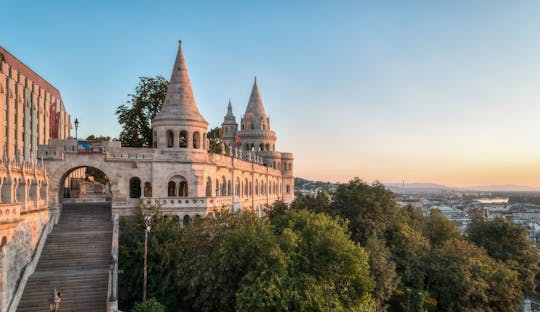
For the best views, head straight for Castle Hill on the Buda side. Here you'll find the immense Buda Castle complex, which houses the Hungarian National Gallery and the Budapest History Museum. A short walk away is Fisherman's Bastion, a fairytale-like structure with turrets and terraces offering panoramic views across the river to Pest and the magnificent parliament building.
The Hungarian Parliament and the Danube
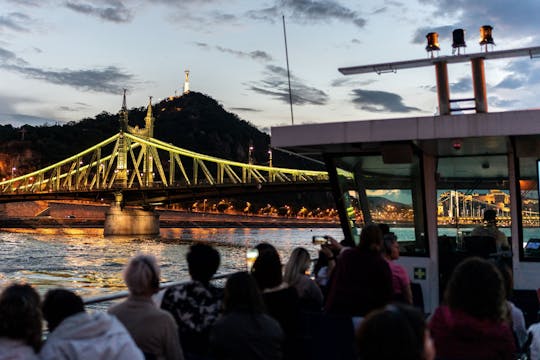
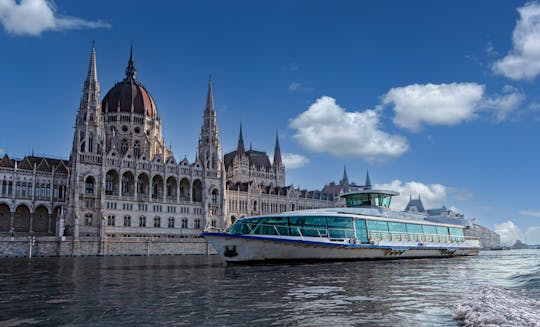
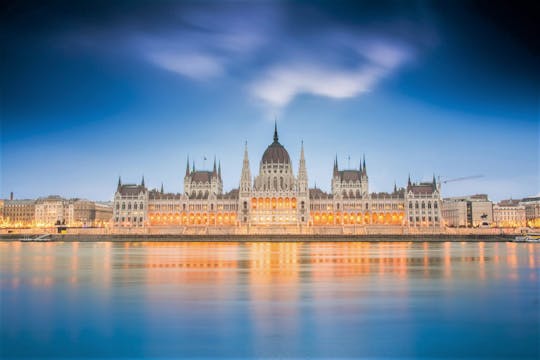
The Hungarian Parliament Building is one of Europe's most spectacular government properties. Its neo-gothic dome and spires dominate the Pest riverfront. While it's impressive from the outside, you can also see its lavish interior on a guided tour. For a different perspective, take a river cruise along the Danube, which is especially memorable at night when the city's landmarks are all lit up.
Ruin bars and café culture
When evening comes, the old Jewish Quarter in District VII comes alive. This area is famous for its ruin bars – unique pubs set up in disused buildings and courtyards. Each has its own quirky character, with mismatched furniture and creative decor. For a less bohemian setting, you can pop into one of the city's traditional coffee houses for a slice of cake and a coffee.
Hungary's thermal baths and spa holidays
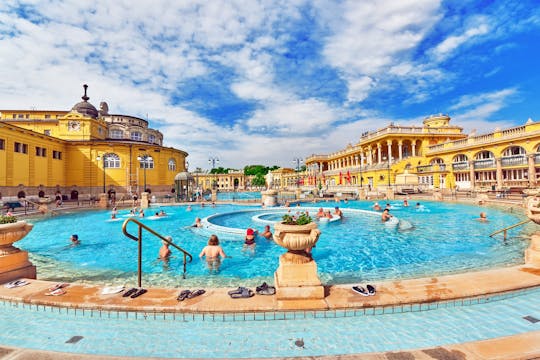
Hungary sits on a basin of more than 1,000 thermal water springs, making it one of the world's top spa destinations. Taking to the waters is a way of life here, and no trip is complete without it. In Budapest, the Széchenyi Baths are the largest, with a huge complex of indoor and outdoor pools set in a grand, palace-like building. Across the river, the Gellért Spa is an art nouveau masterpiece with ornate halls and mosaic-tiled pools.
Lake Balaton – the Hungarian Sea
As a landlocked country, Hungary's answer to the seaside is Lake Balaton. This is the largest freshwater lake in Central Europe, and its shores are lined with beaches, resorts, and vineyards. The southern shore, around towns like Siófok, is known for its shallow waters and lively party scene, making it popular with families and groups. The northern shore is more tranquil, with charming towns like Balatonfüred and the volcanic hills of the Badacsony wine region, perfect for hiking and wine tasting.
Hungarian food and drink
Hungarian cuisine is hearty, comforting, and full of flavour, with paprika as its star spice. The national dish is goulash, a beef and vegetable stew you'll find everywhere from simple canteens to smart restaurants. Other popular dishes include chicken paprikash, served with sour cream, and lángos, a deep-fried dough topped with cheese and garlic. For something sweet, try a kürtőskalács or chimney cake, a spiral of sweet dough roasted over charcoal. To drink, look for the famous sweet Tokaji wines or the robust red Egri Bikavér, also known as Bull's Blood.
Other towns to visit in Hungary
While the capital is the main draw, there's plenty to discover elsewhere in Hungary. Several charming towns are just an easy train ride away, perfect for a day trip or a longer stay.
Szentendre
Just north of Budapest on the Danube Bend, Szentendre is a colourful artists' town with cobbled streets, Serbian churches, and lots of small galleries and museums.
Eger
In the north, the historic town of Eger is famous for its hilltop castle, a 17th-century minaret, and its own thermal baths. It's also the centre of the region that produces the famous Bull's Blood red wine (don't worry, it's just a name).
Pécs
Located in the south near the Croatian border, Pécs has a distinctly Mediterranean feel. It's known for its mild climate, Roman ruins, and a collection of early Christian tombs that are a UNESCO World Heritage site.
From grand cities to vast lakes and relaxing spas, Hungary offers a diverse and memorable European getaway.
Need to know

Budapest

Hungarian

Hungarian Forint

GMT +1

2hrs
* Average time from London Gatwick to Budapest


Exciting tours and activities in Hungary
From priority access for attractions, to day trips to historic sites, here’s our must see activities in Hungary



all tours and experiences are provided by