






Why fly to Nuremberg?
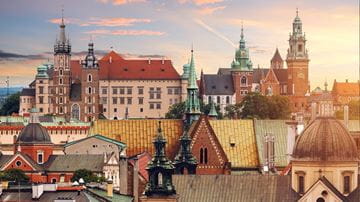
Step through Nuremberg’s old town gates and you’re straight into cobbled streets, red rooftops and castle views — no warm-up required.
Set in northern Bavaria, this is one of Europe’s best‑preserved medieval cities, still wrapped in its original walls. Everything sits close together, with the Imperial Castle keeping watch from above.
It’s an easy place to explore your way. Walk up to the castle for rooftop views, wander through half‑timbered lanes, and drop into Albrecht Dürer’s former home .The famous artist was born here, and the city hasn’t let him go far. Near the old gate, the Handwerkerhof is a good stop for traditional crafts (and a reminder that not everything here fits in a suitcase).
When the weather’s good, Nuremberg really comes into its own. Think long, lazy beer gardens, riverside strolls and market squares that are hard to leave once you’ve sat down. It’s compact, straightforward and made for doing a lot - or very little.
There’s more going on beneath the surface, too. Nuremberg has a long history of invention and sits at the heart of German toymaking, something you’ll spot in shops and museums across the city.
Come hungry. The local bratwurst are small but full of flavour , best ordered Drei im Weggla (three in a roll, which is as practical as it sounds). Add Lebkuchen gingerbread and a cold Franconian beer, and you’re in good shape.
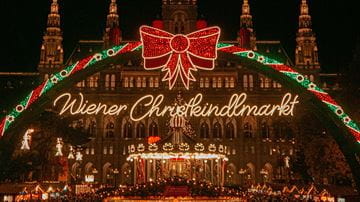
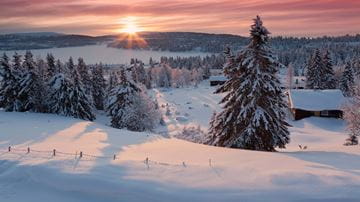
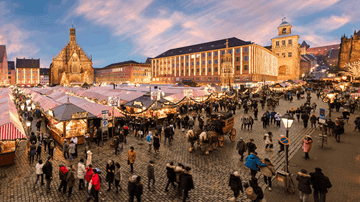
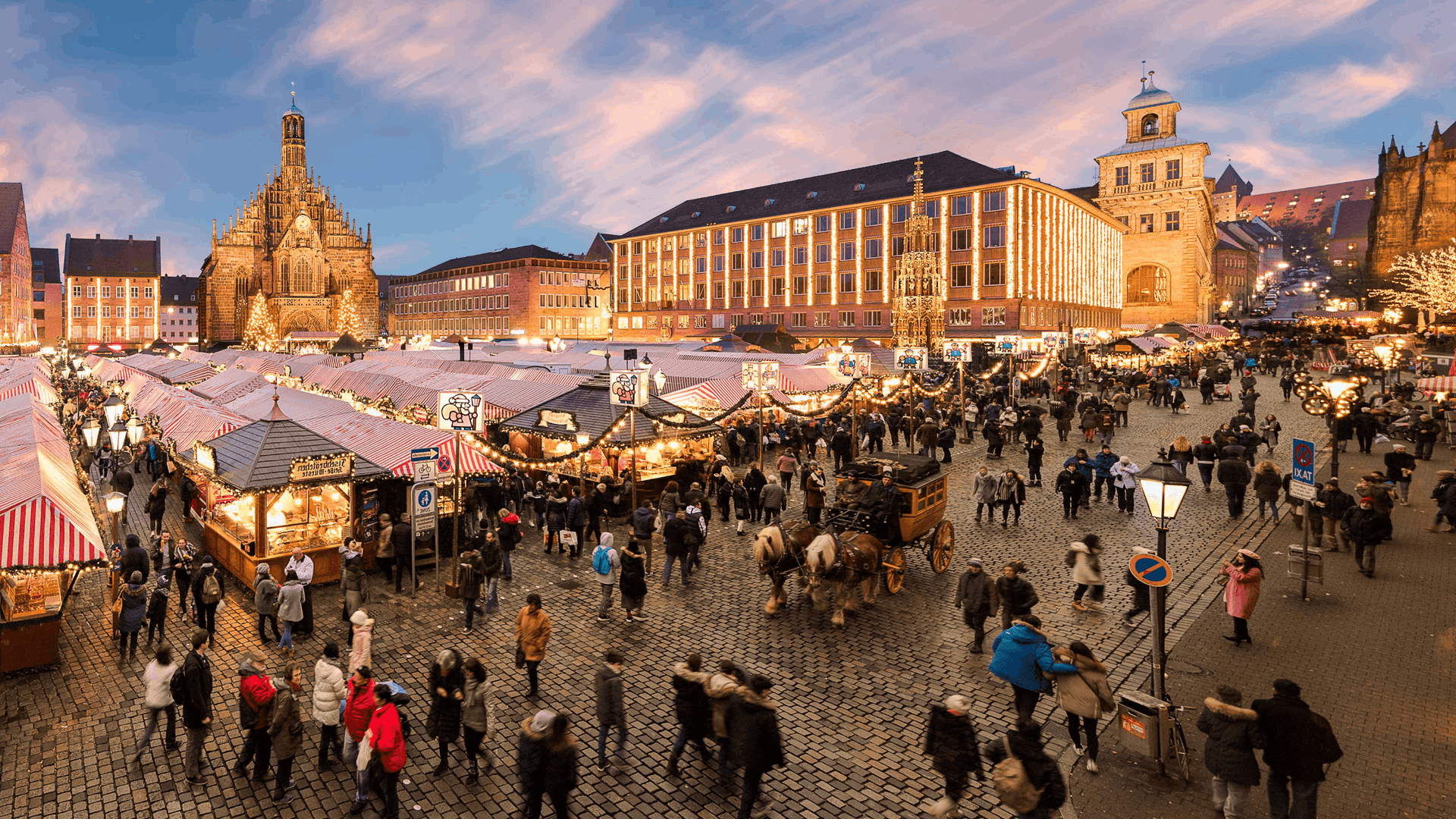
Visit in winter and the city swaps beer gardens for wooden stalls and glowing lights. The Christkindlesmarkt fills the old town with the smell of mulled wine and roasted almonds. It’s lively, a little crowded, and very worth it.
Whenever you go, Nuremberg is the kind of place that’s easy to get into, and harder to leave.