
Eagles Palace
Ce séjour comprend :

Hôtel

Vols
(Vous pourrez ajouter des extras à votre séjour sur les pages suivantes)
- Club enfants conçu pour des heures d’amusement
- Table étoilée au Michelin et restaurant de fruits de mer au bord de l’eau
Le luxe en famille sur la côte
Garder cette adresse confidentielle est tentant, mais ce serait dommage parce que cet hôtel est une perle rare. Cet établissement cinq étoiles vous reçoit sur la péninsule idyllique de Chalcidique et déroule le tapis rouge pour vous et vos enfants afin de créer des souvenirs indélébiles.
La vie sur place ne se résume pas aux joies du soleil, même si elles bercent votre quotidien. Pour vous rafraîchir, vous aurez le choix entre trois piscines. Sans parler du spa exceptionnel pour lâcher prise et vous offrir une détente absolue ! Réservez donc des soins à la carte du visage ou du corps pour vous aider à vous sentir un peu plus vous-même. Les activités ne manquent pas non plus, avec une salle de fitness, ainsi que des courts de tennis et de padel. Les plus jeunes pourront s’amuser des heures durant grâce au fantastique club enfants, qui organise des ateliers de loisirs créatifs, des jeux et des temps de baignade.
Mais nous ne vous avons pas encore parlé du meilleur. Cet établissement est vraiment face à la mer, pratiquement les pieds dans l’eau. Ces nombreuses fois où vous avez charrié des sacs de plage débordant de serviettes et de jouets sur des distances interminables pour atteindre le sable ne sont plus qu’un lointain souvenir. Ce temps perdu à faire des allées et venues, vous le passerez à sauter dans les vagues et à construire des châteaux de sable.
En matière de restauration, vous allez vous régaler. Commencez par un petit-déjeuner tranquille au Patio Bistro, plus tard en journée faites une pause gourmande pour savourer un plateau de fruits de mer à l’Armyra tout en appréciant la vue sur la mer. Pour un moment privilégié, réservez une table au Kamares, la table étoilée de l’hôtel et laissez-vous séduire par des mets créatifs et gastronomiques. Les bars sont parfaits pour savourer un délicieux cocktail au bord de la piscine ou prendre un verre de vin au coucher du soleil (ou les deux).
En quête de vacances qui ne soient pas une simple escapade, mais une destination en soi ? Ne cherchez pas plus loin, cet hôtel est fait pour vous.
Ce que Eagles Palace a à offrir
Installations
Restaurants et bars
- 1 restaurant buffet (méditerranéen, international)
- 2 restaurants à la carte (grec/fruits de mer, table gastronomique)
- 3 snack-bars
- 4 bars (dont un bar sur la plage et un bar réservé aux adultes)
Divertissement
- Aire de jeux
- Piscine pour enfants
- Programme d’animations
- Piscine intérieure chauffée
- Club pour les enfants
- Piscine extérieure
- Club pour ados
Sports et santé
- Padel
- Tennis
- Volleyball
- Salle de sport
- Massage
- Centre de spa
- Soins au spa
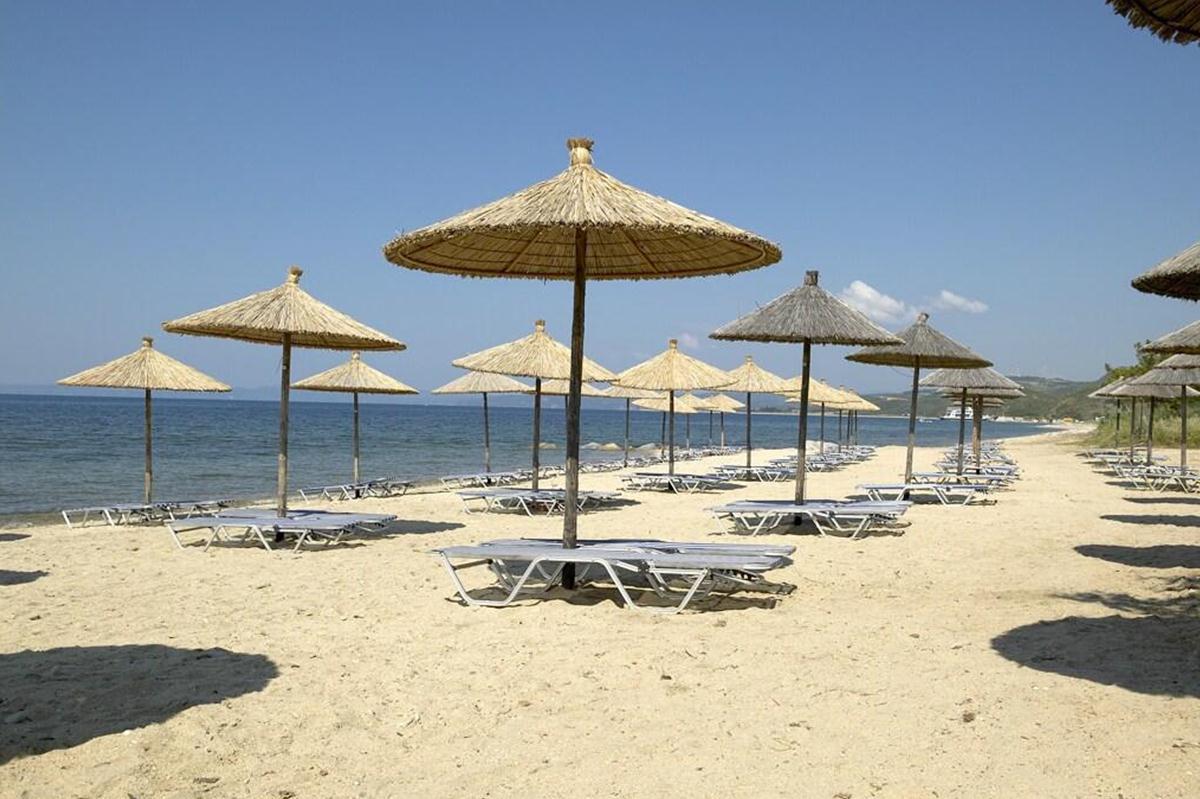
En savoir plus sur Ouranopoli
In Greek, Ouranopoli means ‘the city of heaven’ – a fitting description for the place that is the gateway to spiritual Mount Athos – a Unesco World Heritage site and home to 20 monasteries. Even if you aren’t planning a pilgrimage, the relaxed atmosphere and beautiful landscapes experienced on Ouranopoli holidays will certainly feel like paradise. The town is located in eastern Halkidiki on the Athos peninsula. This is considered the most pristine part of Greece, as the soil and water in the area is untainted, and you’ll sample some truly delicious local cuisine.