
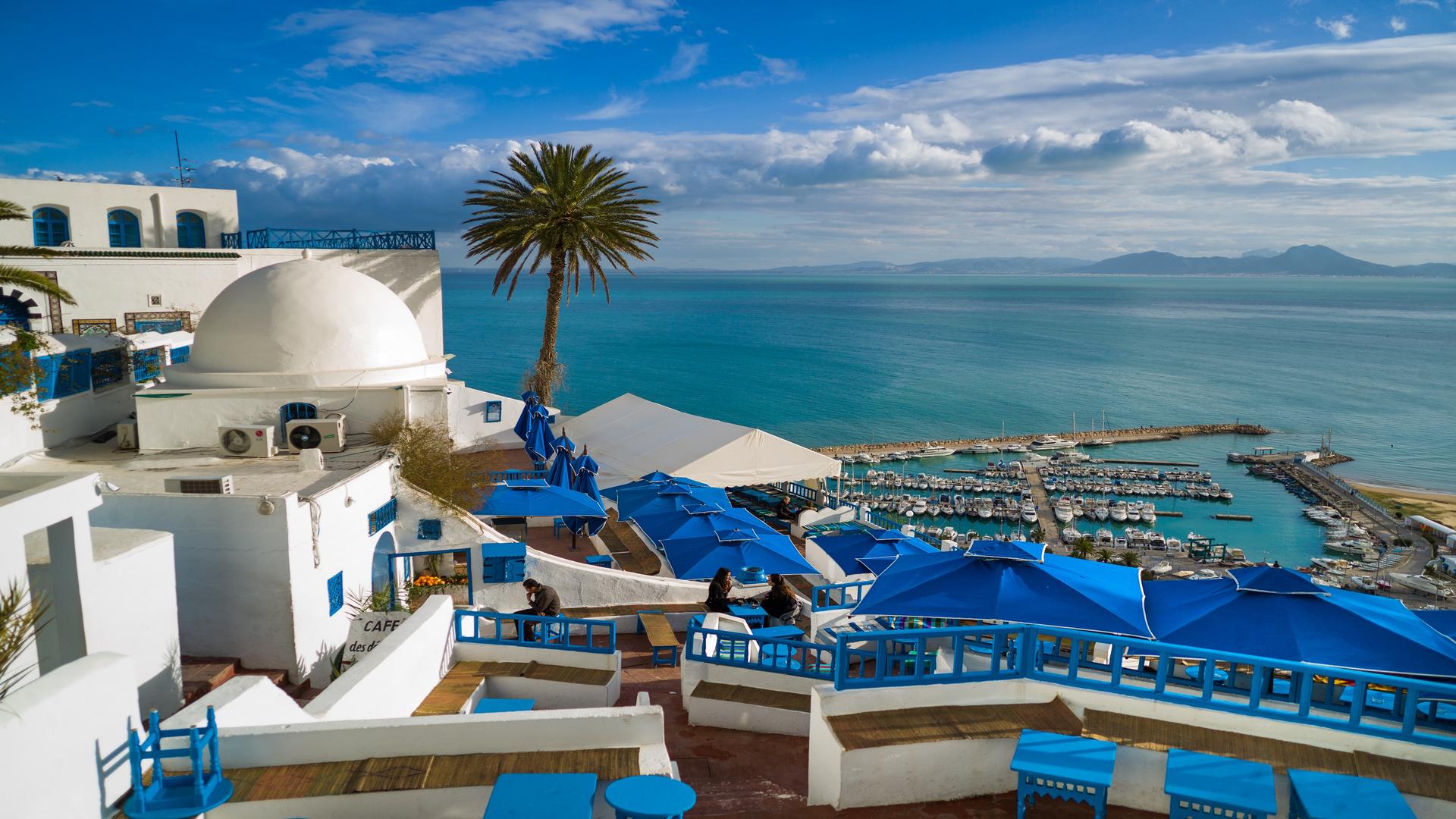
The best time to visit Tunisia is during the spring months of March, April and May for warm, sunny days perfect for sightseeing. Tunisia holidays are also popular in the peak summer months, when the weather is consistently hot and dry, making it ideal for relaxing on the beach.
When is the best time to visit Tunisia?
The best time to visit Tunisia is between March and June. During this period, you’ll find the weather is comfortably warm with plenty of sunshine and very little rain, creating ideal conditions for exploring ancient sites or simply enjoying the coast before the peak summer heat arrives.
Tunisia in spring: 16-22°C, mild days and lots of sunshine
Spring is a fantastic time to visit, with temperatures climbing from a mild 16°C to a warm 22°C. You can expect around 10 hours of sunshine each day and minimal rainfall, making it perfect for getting out and about. The landscape is fresh and green, and the pleasant weather is great for exploring markets and historical ruins without the intensity of the summer sun.
Tunisia in summer: 25-31°C, hot, dry and sunny
Summer in Tunisia is defined by hot, dry and sunny weather. Average temperatures range from 25°C to 31°C, though they often climb higher, especially in July, the warmest month. With almost 12 hours of sunshine a day and virtually no rain, it’s the perfect season for a beach holiday, sunbathing and swimming in the warm Mediterranean Sea.
Tunisia in autumn: 21-26°C, warm seas and pleasant evenings
Autumn remains very warm, with temperatures sitting between 21°C and 26°C. The sea is still warm enough for swimming well into October, and the sunshine is plentiful at around 10 hours a day. Rainfall begins to increase slightly towards November, but the weather is generally beautiful for enjoying the coast and sightseeing in comfortable heat.
Tunisia in winter: 12-17°C, cool and quiet with some rain
Winter is mild and peaceful in Tunisia, with average temperatures between 12°C and 17°C. While it’s the coolest time of year, you’ll still see around 9 hours of daily sunshine, offering a pleasant escape from colder climates. November is the wettest month, but rainfall is still relatively low. It’s a great time for exploring cultural sites without the crowds.
Average weather in Tunisia by month
On average, the warmest month in Tunisia is July, while the coolest is January. The wettest month is November, though rainfall is generally low year-round. The figures below are an average for the country, so you may find slight variations between coastal areas such as Djerba and the Tunisia Area.
| Month | Temp (C) | Rainfall (mm/month) | Sunshine (avg hrs/day) |
|---|---|---|---|
| January | 11-16°C | 11mm | 9.1 |
| February | 12-18°C | 13mm | 9.1 |
| March | 14-20°C | 16mm | 9.5 |
| April | 16-22°C | 10mm | 9.9 |
| May | 19-25°C | 7mm | 10.5 |
| June | 23-29°C | 1mm | 11.5 |
| July | 26-32°C | 0mm | 11.9 |
| August | 26-32°C | 2mm | 11.7 |
| September | 25-30°C | 13mm | 10.5 |
| October | 22-26°C | 16mm | 10.0 |
| November | 17-22°C | 24mm | 9.5 |
| December | 13-18°C | 17mm | 9.1 |
Best time to visit Tunisia for beach holidays
For a classic beach holiday with guaranteed sunshine, the best time to visit is from June to September. During these months, temperatures soar to highs of 29-32°C, and with up to 12 hours of sunshine a day, the conditions are perfect for sunbathing. July is the driest month with almost no rainfall, ensuring your beach days are uninterrupted.
Best time to visit Tunisia for sightseeing
If you’re planning to explore Tunisia’s souks, ancient ruins and historic medinas, the spring and autumn months are ideal. Visiting between March and May or from October to November means you’ll enjoy pleasant temperatures of 16-25°C. It’s warm enough to be comfortable but cool enough to spend hours walking around sites like Carthage without the intense summer heat.
Best time to visit Tunisia for winter sun
For a quiet, sunny escape during the UK winter, consider visiting Tunisia between December and February. While it’s not hot enough for sunbathing, you’ll find mild daytime temperatures of 16-18°C and a generous 9 hours of sunshine a day. It’s a great time to enjoy the country’s culture and coastline with far fewer crowds.
