
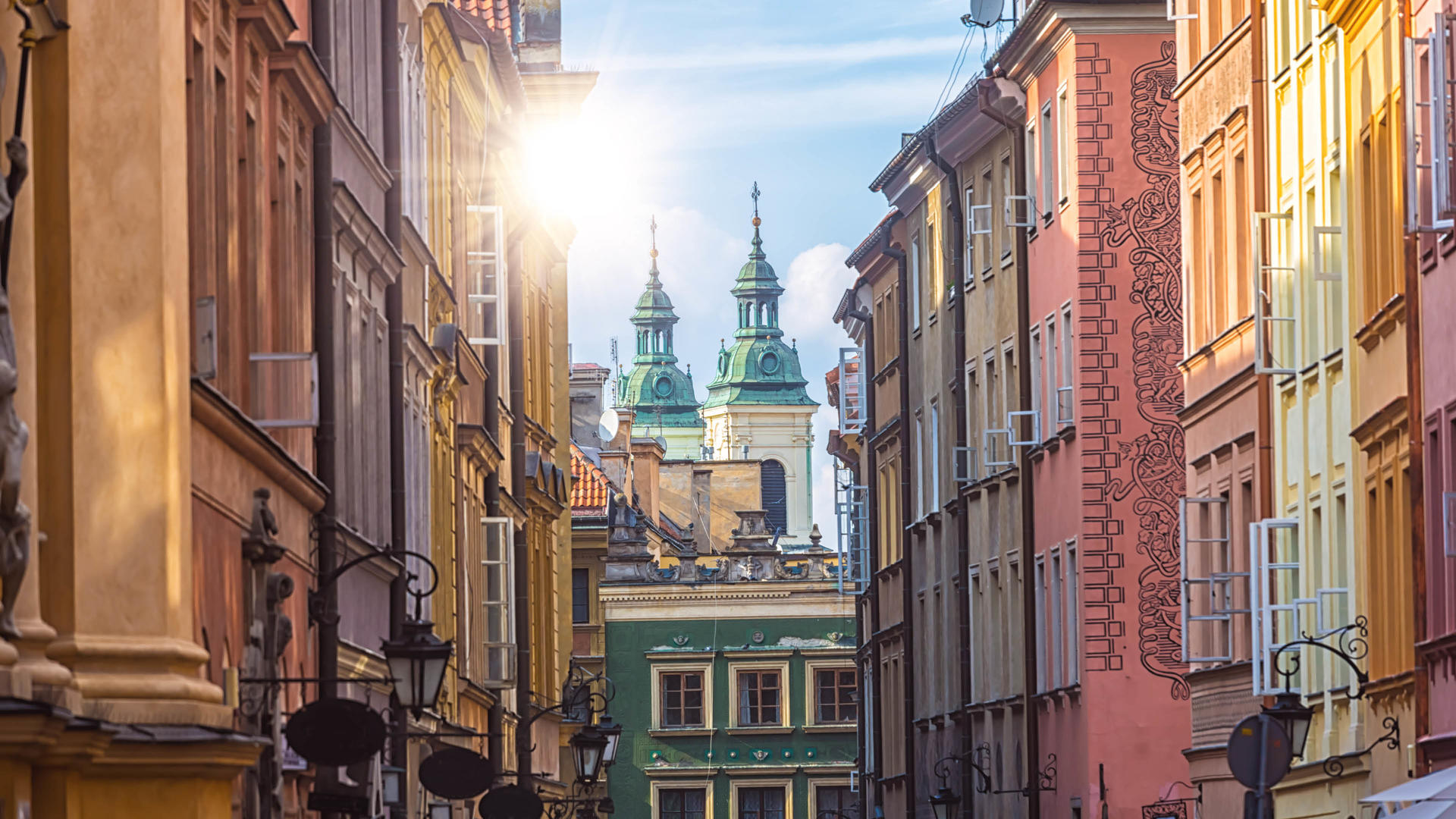
The best time to visit Poland is from June to September, when you’ll find the warmest and sunniest weather for exploring its historic cities and impressive landscapes. Holidays to Poland during these months make the most of the long summer days, though this is also the peak season, so you can expect it to be busier.
When is the best time to visit Poland?
The best time to visit Poland is between June and September. This period has mild to warm temperatures, averaging between 12°C and 25°C, and the highest number of daily sunshine hours, making it ideal for sightseeing and outdoor activities.
Poland in spring: 4-13°C, a season of fresh blooms
Spring sees Poland emerge from the cold winter. March is still chilly, but by April and May, temperatures become much milder, climbing towards 18°C. It’s a lovely time for a city break in Krakow or Katowice as parks and gardens come into bloom, although you should pack for cool evenings and the occasional spring shower.
Poland in summer: 14-24°C, warm days and lively cities
Summer is peak season in Poland, bringing the warmest weather of the year. July and August see highs of around 25°C and have over 7 hours of sunshine a day. This is also the wettest time of year, with short but sharp thunderstorms possible, so it’s wise to pack a light waterproof jacket alongside your summer clothes.
Poland in autumn: 6-14°C, mild weather and golden colours
Autumn is a wonderful time to visit, especially in September when temperatures are still pleasant and the summer crowds have thinned. The weather remains mild into October, with crisp, sunny days that are ideal for walking tours and admiring the golden autumn foliage in the city parks.
Poland in winter: -3-2°C, crisp, cold and festive
Winter in Poland is cold and often snowy, creating a magical atmosphere for a festive break. Temperatures frequently drop below freezing, especially in January, the coldest month. Cities like Krakow are particularly charming, with christmas markets in December and a good chance of a picturesque blanket of snow.
Average weather in Poland by month
Poland's weather shows the biggest contrasts in midsummer and midwinter. July is the warmest month with average highs of 25°C, but it's also the wettest. January is the coldest month, with temperatures dropping to -4°C, while August is the sunniest, with an average of 7.2 hours of sunshine per day.
Please note that this data is an average across key regions, including Krakow and the slightly warmer Katowice, so local conditions may vary.
| Month | Temp (C) | Rainfall (mm/month) | Sunshine (avg hrs/day) |
|---|---|---|---|
| January | -4-1°C | 47mm | 2.8 |
| February | -3-3°C | 49mm | 2.8 |
| March | 0-8°C | 49mm | 4.3 |
| April | 4-14°C | 56mm | 5.3 |
| May | 8-18°C | 102mm | 5.3 |
| June | 12-23°C | 92mm | 5.8 |
| July | 14-25°C | 107mm | 6.1 |
| August | 14-25°C | 100mm | 7.2 |
| September | 10-20°C | 81mm | 6.4 |
| October | 6-14°C | 64mm | 5.9 |
| November | 2-8°C | 50mm | 5.0 |
| December | -2-3°C | 50mm | 3.6 |
Best time to visit Poland for sightseeing
For sightseeing and city breaks in places like Krakow, the best times to visit are late spring and early autumn. The months of May, June, and September provide a great balance of pleasant temperatures, manageable crowds, and plenty of sunshine for exploring historic squares and landmarks without the intense heat of midsummer.
Best time to visit Poland for summer festivals
If you're hoping to enjoy Poland's vibrant summer culture, plan your trip between June and August. This is when the weather is warmest, with highs of 25°C, and the days are long and sunny. It’s a great backdrop for open-air concerts and festivals, but remember it’s also the rainiest season, so pack accordingly.
Best time to visit Poland for Christmas markets
For a festive winter escape, the best time to visit is from late November through December. You'll find cities transformed by enchanting christmas markets, especially in Krakow's Main Square. The weather is cold, with temperatures around freezing and a good chance of snow, adding to the magical atmosphere.
