
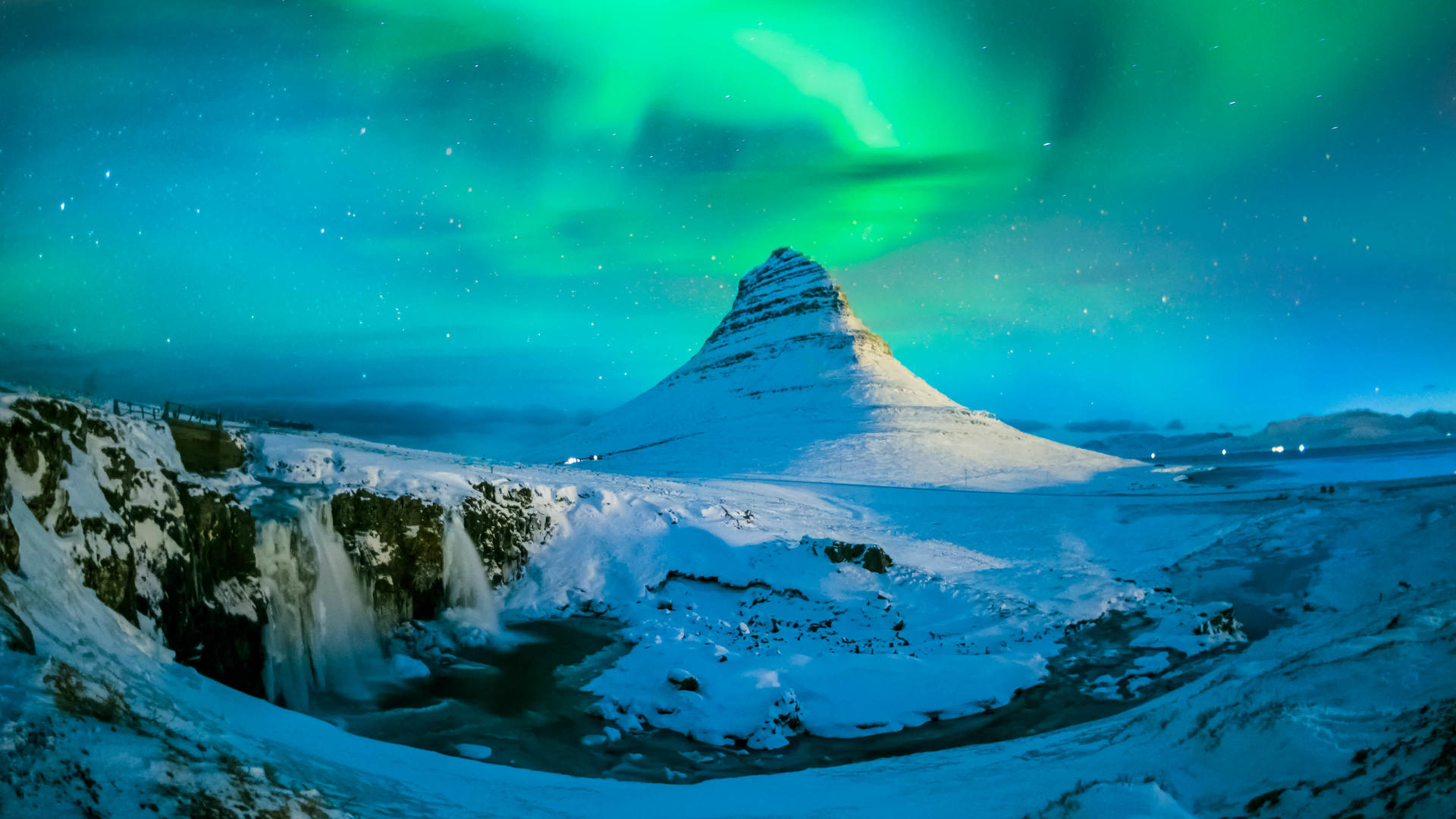
The best time to visit Iceland is during the summer months of June, July and August, when the weather is at its mildest and the days are at their longest. This is the perfect season for exploring the impressive landscapes and enjoying the famous midnight sun. While it’s the most popular time for Iceland holidays, the combination of more sunshine and lower rainfall makes it ideal for outdoor adventures.
When is the best time to visit Iceland?
The best time to visit Iceland is between June and August. During this period, you’ll find the country’s most pleasant weather, with average temperatures reaching up to 12°C, making it a great time for hiking, sightseeing and discovering Iceland’s natural wonders under the near-constant daylight of the midnight sun.
Iceland in spring: -3-3°C, a time of thaw and awakening
Spring in Iceland runs from March to May, a season of transition. Temperatures slowly climb from freezing, melting the winter snow and bringing the landscapes back to life with rushing waterfalls and emerging greenery. While there’s still a significant chance of snow, especially in March and April, daylight hours increase rapidly. May is the country’s sunniest month, with an average of 3 hours of sunshine per day, heralding the arrival of summer.
Iceland in summer: 6-11°C, long days and the mildest weather
Summer is the most popular season for Iceland holidays. From June to August, Iceland enjoys its warmest and driest weather, with average highs of 11°C to 12°C. This is the land of the midnight sun, where it barely gets dark, giving you maximum time to explore. June is the driest month of the year, making it perfect for hiking the highlands and driving the Ring Road. While you’ll need layers, it’s the most comfortable time to be outdoors.
Iceland in autumn: 0-4°C, northern lights and changing colours
From September to November, autumn brings a beautiful but brisk change to Iceland. The landscape shifts to deep reds and golds, and the days grow shorter and wetter. September is the wettest month of the year, with around 158mm of rainfall. The trade-off is the return of dark night skies, meaning this is the start of the season for spotting the Northern Lights. Temperatures hover just above freezing, so pack warm, waterproof clothing.
Iceland in winter: -6--1°C, a snowy wonderland for aurora hunters
Winter, from December to February, transforms Iceland into a striking world of ice and snow. This is the coldest time of year, with temperatures regularly dropping to -6°C or below. It’s also the prime time to hunt for the Northern Lights, thanks to the long, dark nights. Activities like exploring ice caves and glacier hiking are popular, but be prepared for challenging weather conditions and wrap up warm.
Average weather in Iceland by month
Iceland's weather is famously unpredictable, but the data shows clear patterns. July is the warmest month, averaging a high of 12°C, while December is the coldest, with highs around -2°C. The wettest month is September, and the driest is June. It’s important to remember these figures are an average across the country; the capital, Reykjavik, is often a few degrees warmer than other regions.
| Month | Temp (°C) | Rainfall (mm/month) | Sunshine (avg hrs/day) |
|---|---|---|---|
| January | -6--1°C | 143mm | 2.3 |
| February | -6--1°C | 129mm | 2.3 |
| March | -6-0°C | 135mm | 2.2 |
| April | -3-3°C | 104mm | 2.6 |
| May | 1-6°C | 92mm | 3.0 |
| June | 5-10°C | 77mm | 2.8 |
| July | 7-12°C | 87mm | 2.6 |
| August | 6-11°C | 100mm | 2.9 |
| September | 3-8°C | 158mm | 2.2 |
| October | -1-4°C | 141mm | 2.6 |
| November | -3-1°C | 129mm | 2.7 |
| December | -7--2°C | 137mm | 2.8 |
Best time to visit Iceland for seeing the Northern Lights
The best time to see the Northern Lights is during the winter months, from late September to March. This is when the nights are longest and darkest, providing the perfect canvas for the aurora borealis to appear. While sightings are never guaranteed, your chances are highest in the depths of winter when clear, cold skies are more frequent.
Best time to visit Iceland for hiking and outdoor activities
For hiking, whale watching and exploring Iceland's natural attractions, the summer months of June, July and August are ideal. The weather is at its mildest, the highland trails are generally open and accessible, and the long daylight hours of the midnight sun give you plenty of time for adventure. With June being the driest month, it’s a particularly good choice for a walking holiday.
Best time to visit Iceland for geothermal spas
You can enjoy Iceland’s famous geothermal lagoons, such as the Blue Lagoon, year-round. However, visiting in autumn or winter offers a particularly special atmosphere. Soaking in the naturally hot, mineral-rich water while the air around you is crisp and cold - and perhaps even snowy - is a memorable highlight of any trip to Iceland. The shorter days also increase your chances of seeing the Northern Lights from the comfort of the warm water.
Whatever the season, Iceland's weather is part of the adventure, so packing layers and waterproofs is always a smart move.
